ETC Platform: Quality Management
Make quality measurable
Transparent KPIs for service, cleanliness, and punctuality across vehicles, lines, and stations.

Overview
Transparency about the actual quality
The Quality Management area of the ETC Platform provides transparency on the actual quality of transport services. Operational data, test customer surveys, and quality indicators are merged into a central platform and prepared as a reliable basis for monitoring, contract controlling, and operational measures.
Instead of isolated individual values, a holistic picture emerges on punctuality, connection safety, vehicle condition, service quality, and data quality.
Brief profile
Make quality measurable and manageable

Survey
Test customer surveys
Quality characteristics such as cleanliness, equipment, damage, or functionality are captured through standardized on-site surveys and objectively evaluated.

KPIs
Punctuality & Connections
Operational data is automatically analyzed and condensed into meaningful KPIs for punctuality, connection safety, failures, and line quality.

Measurement points
Measure where it counts
Evaluations are based on defined measurement points and relevant traffic nodes. This creates reliable indicators with high expressiveness for operations and contract controlling.

Analysis
Understand delays
The platform makes it understandable where delays occur, how they impact the network, and where they can be mitigated.

Data quality
Make data quality visible
An integrated quality index evaluates the completeness, consistency, and plausibility of the underlying data and creates transparency about the reliability of the results.

Management
From reporting to management
Insights become directly usable for quality management, contract controlling, and operational decisions. Measures can be planned, prioritized, and their impact tracked in a targeted way.
Technical basis
Reliable quality on a data basis
Data imports, plausibility checks, and automated controlling enable objective KPIs and transparent quality reports.

Import of timetable data
HAFAS, GTFS, or VDV 452
Import of performance data
Connection to VDV server, manual imports of files or automatic imports via API or from FTP server
Import of survey data
Import of raw data from on-site and vehicle surveys
Capture quality surveys
Capture, verify and send to the database via the Q.Daba Mobile App
Data quality
Automated analysis of real-time data for completeness, plausibility, and quality to calculate various quality indices
Contract penalties
Detection of contract penalties in performance data, display of individual and cumulative penalties
Data entry
Capture different data such as construction sites, vehicles, or staff hours for consideration in result calculation or contract controlling
Controlling
Automatic processing of performance and survey data, calculation of the results of quality criteria according to the transport contract, including bonus-malus
Analysis
Various evaluation options of the results, e.g., dashboards, BI tool, evaluation modules
Document repository
Document repository used jointly by task managers and transport companies for simplified processes
Authorization concept
Task managers and transport companies can use the ETC Platform together, access to results and functionalities is individually definable in a role model
Transparency
Visibility of all individual data to traceability of results
API
Connection of BI tools to the quality data of the ETC Platform
Export
Download results and raw data as XLSX or CSV
From practice
Success Stories

Public Transport Authorities & Quality Management – BAV Switzerland
Nationwide quality management in public transport
The Swiss Federal Office of Transport (BAV) uses a central platform that connects the federation, cantons, and transport companies, thus enabling transparent KPIs, quality reports, as well as connection and punctuality analyses in the entire Swiss public transport network.

Public Transport Authorities & Quality Control – RMV
Quality control for RMV
Central platform for KPIs, reporting, and bonus malus. Automated for 50 transport companies and 60 contracts, with a comparable data basis for the entire network.
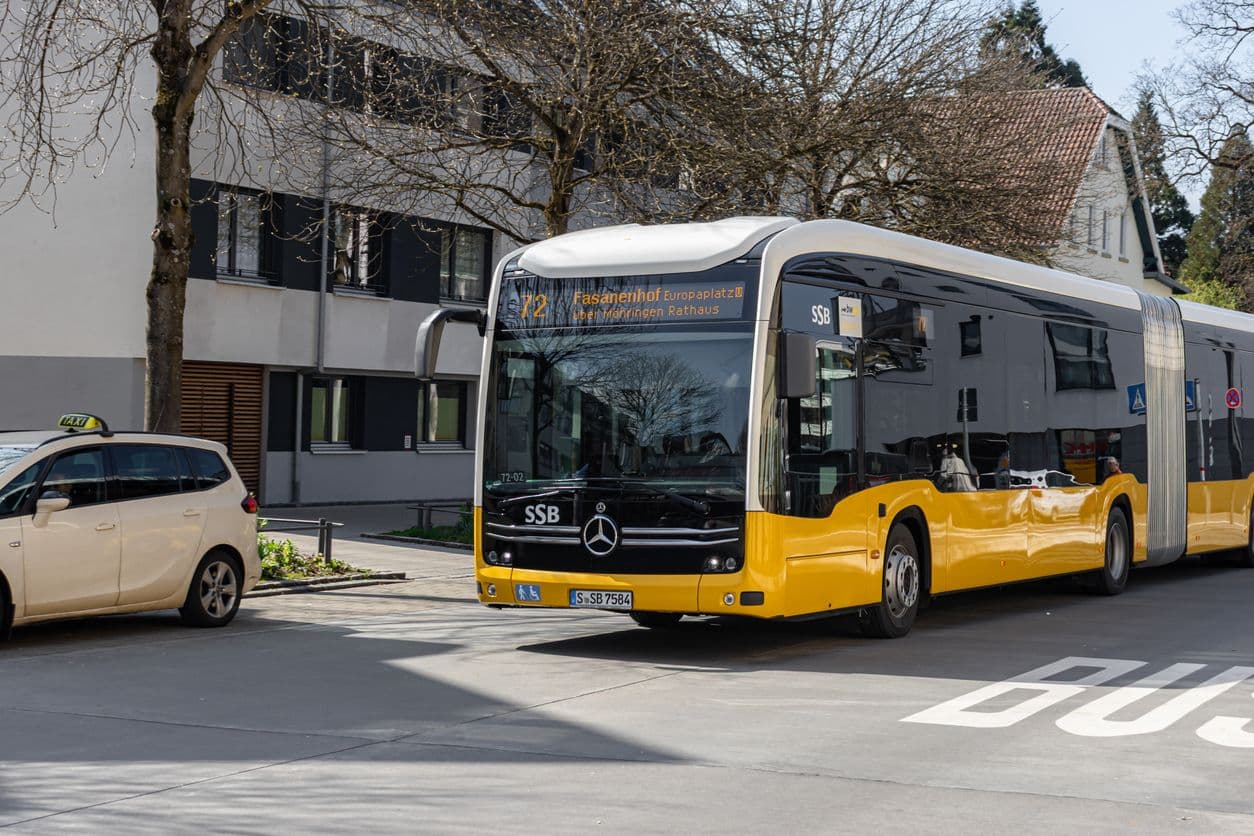
Public Transport Authorities & Quality Management – VVS Stuttgart
Transparent management of bus services
The Stuttgart Transport and Tariff Association (VVS) uses a central quality platform that replaces manual evaluations and creates clear KPIs, automatically for 140 transport companies and 90 contracts in the Stuttgart area.
In overview
More functions of the ETC platform

For railway companies
Operation, control, and planning system
Central dispatch and real-time monitoring of the entire fleet.
For metro, tram, and bus operators
Passenger information
Real-time information across all channels from a single source.

For vehicle manufacturers
Vehicle Cloud
Standardized connection of all vehicle types to the ETC Platform.

For all stakeholders
Reporting & Analytics
Evaluations and reports directly from ongoing operations.
For all stakeholders
Add-On Functions
Expandable functions for specific requirements.
FAQ
Quality management in the ETC Platform connects quality criteria from test customer surveys (e.g., cleanliness, damage, functionality of machines/displays/toilets) with punctuality and operational data to make quality comparable and assessable across lines, vehicles, and locations. At the same time, it reflects the individual requirements of transport contracts and makes them testable.
Because real-time data comes from different capture logics (e.g., infrastructure measurement points, door events, GPS geofences) and can therefore vary in accuracy. The data quality index makes the reliability of the data basis transparent and checks, among other things, completeness and plausibility (e.g., "departure before arrival").
The ETC Platform uses real-time data, which is also used for customer information, and calculates, among other things, punctuality and connection achievement and connection breaks for defined connections. The majority of the data comes from the control systems of transport companies.
It is more than just reporting. The system helps identify anomalies and needs for action early on, actively track measures, and evaluate developments comprehensibly. Thus, quality management becomes a genuine control instrument, rather than just meeting reporting obligations without benefit.
The effort depends on the network size, measurement frequency, and criteria catalog. The system helps plan surveys standardizedly, evaluate them cleanly, and make results consistently available in real-time.

Robert Dorn - Sales
Contact
Learn how the ETC Platform makes quality in public transport measurable.
We show you how to transparently evaluate data quality and fairly compare evaluations.